Showing posts with label Health/Beauty. Show all posts

May 10, 2013

Exercises to build body by yourself (Part 1 - for Women)


(Wait for some seconds to load clips)

Traps Exercise


Triceps Excercise


Lats Excercise


Middle Back Excercise


Lower Back Excercise


Glutes Excercise


Quads Excercise


Hamstrings Excercise


Calves Excercise


Exercises to build body by yourself (Part 2 - for Men)


(Wait for some seconds to load clips)

Neck Excersice


Traps Excersice
 
Shoulders Excersice
 
Chest Excersice
 
Biceps Excersice
 
Forearm Excersice
 
Aps Excersice
 
Quads Excersice
 
Calves Excersice


How to Estimate Carbohydrates in 10 Common Foods - Part 2

white-whole-bread

Bread

1 slice of bread = 15 grams or 1 serving of carbohydrate

Although white and wheat bread have similar carb content (check the food label for details), whole-wheat bread is your best bet; it typically has more than twice as much fiber as white bread, meaning you digest it more slowly and your blood sugar will rise more gradually after you eat it.

People with diabetes should aim to consume 30 grams of fiber daily, even though this can be hard on the digestive system for some people, says Kaul, a professor at Howard University College of Medicine, in Washington, D.C. She also suggests trying extra-thin bread, which can slice your calorie intake in half.


Cooked pasta

carbs-wheat-pasta
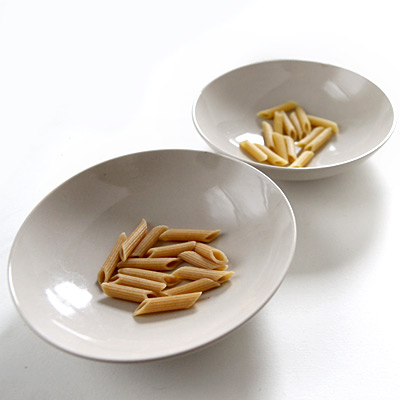
One-third cup of pasta = 15 grams or 1 serving

Again, opting for whole-wheat noodles rather than pasta made with white flour is a healthier choice. But it’s important to remember—and easy to forget—portion size.

Just one-third of a cup, which is about half the size of a baseball, contains 15 grams of carbohydrate. If you overload your pasta bowl, you could easily get a day’s worth of carbs in a single meal.


Cereal

cereal-carbs-measure
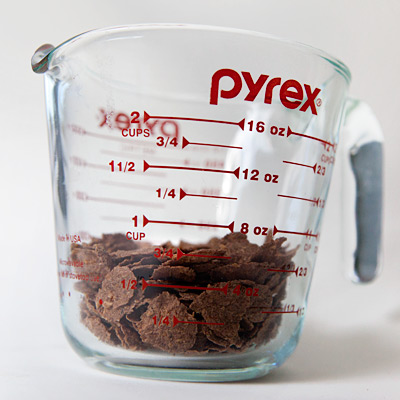
3/4 cup of dry cereal = 15 grams or 1 serving

Eating breakfast is important for all of us, but especially so for people with diabetes; a balanced morning meal helps you start the day healthy and energized.

A bowl of cereal with skim milk is a great choice for the first meal of the day, says Kaul, but you should avoid sugary, low-fiber cereals like corn flakes.

Oat bran cereal is a better option, the nutritionist says. Try it, and if you don’t like it, choose something else.


Crackers

cracker-diabetes4-6 Saltines = 15 grams or 1 serving

When you snack on crackers, checking the label for trans fat and sodium is just as important as looking out for carb content, Kaul notes. Even relatively low-carb crackers may be packing lots of this unhealthy fat and too much salt.

Choose crackers with no more than 200 milligrams of sodium per serving of carbs, and leave the ones that contain trans fat on the supermarket shelf.


Fruit

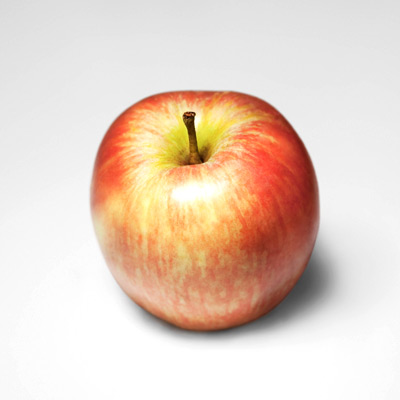
One small piece = 15 grams or 1 serving

You really can’t go wrong with fruit, says Kaul, as long as you keep an eye on portion size. However, if you have diabetes, fruits like apples, bananas, berries, cantaloupes, strawberries, and peaches are the best choices. Pears and grapes can have too much sugar, she explains.

A medium banana has about 15 grams of carbs, plus it is filling and chock-full of potassium. Berries are rich in fiber and antioxidants. But just remember how much fruit you’re eating.

One serving of berries is just 3/4 of a cup, but it’s easy to eat three times this much—or more—if you’re not careful.

apple-carbs

Fruit juice

1/2 cup fruit juice = 15 grams or 1 serving

Kaul tells her clients to choose fruit instead of fruit juice, because fruit contains fiber. And juice—even the unsweetened, natural kind—is high in calories. “Three glasses will give you 300 to 400 calories,” she says.

juice-carbs
People who don’t want to give up their OJ should have a small glass with breakfast, she says. And instead of consuming giant-size bottles of sweetened drinks, drink water or unsweetened tea.


How to Estimate Carbohydrates in 10 Common Foods - Part 3

milk-carbs

Milk

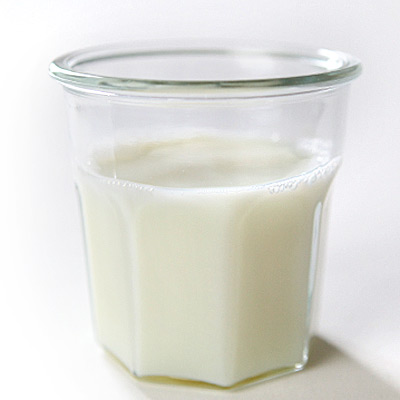
1 cup nonfat skim milk = 15 grams or 1 serving

Dairy foods provide calcium, protein, vitamin D, and other key nutrients, so if you like them, definitely include them in your diet.

But skip full-fat milk for skim, and choose low- or no-fat dairy products.

People with diabetes frequently have high cholesterol and high triglycerides, and weight is often a concern, hence avoiding dairy fats is important, Kaul explains.


yogurt-low-fatYogurt

1 cup of light or plain yogurt = 15 grams or 1 serving

Yogurt is a great, healthy choice, as long as you go the nonfat route.

Flavored yogurt is frequently full of sugar, so check the carb content. You may want to skip it and make your own by adding chopped-up fruit and nuts to plain, nonfat yogurt (which is also likely to be less expensive if you buy a quart-size tub).


Cookies

cookie-diabetes
2 cookies = 15 grams or 1 serving

Being diabetic used to mean being told to kiss tasty treats—like cookies—good-bye.

But these days, says Kaul, diabetes experts agree that indulging in sweets now and then is okay, as long as you consume them in small portions, and with meals.


Ice cream

cup-ice-cream
1/2 cup of ice cream = 15 grams or 1 serving

Kaul advises her clients to stay away from ice cream—if they can—and try low-fat alternatives like frozen yogurt, sherbet, and even sugar-free popsicles.

Because ice cream contains so much fat, it should only be an occasional treat, enjoyed in small portions, she adds.


How to Estimate Carbohydrates in 10 Common Foods - Part 1

What are carbohydrates?

Carbohydrates are sugar-based molecules found in many foods, from cookies to cantaloupes.

If you have diabetes, planning your carb intake—and sticking to the plan—is critical to keep blood sugar on an even keel and to cut your risk of diabetes-related problems like heart disease and stroke.

Whether or not you have diabetes, you should aim to get about half your calories from complex carbohydrates (which are high in fiber), 20-25% from protein, and no more than 30% from fat, says Lalita Kaul, PhD, RD, a spokesperson for the American Dietetic Association.


How to read a food label

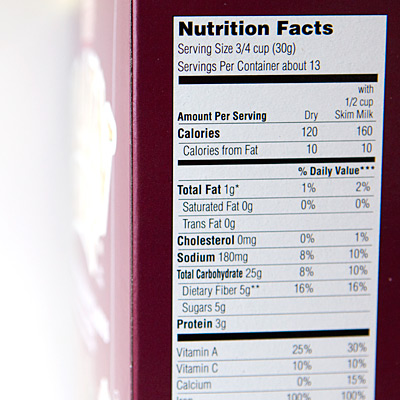
nutrition-carbs
The Nutrition Facts label lists the total amount of carbohydrates per serving, including carbs from fiber, sugar, and sugar alcohols. (If you're counting carbs in your diet, be aware that 15 grams of carbohydrates count as one serving.)

Sugar alcohols are often used in sugar-free foods, although they still deliver calories and carbs. Sugar alcohols and fiber don't affect blood sugar as much as other carbs, because they're not completely absorbed.

If food contains sugar alcohol or 5 or more grams of fiber, you can subtract half of the grams of these ingredients from the number of total carbs. (See more details at the American Diabetes Association and University of California, San Francisco.)


How many carbs per day?

If you eat 2,000 calories a day, you should consume about 250 grams of complex carbohydrates per day.

A good starting place for people with diabetes is to have roughly 45 to 60 grams of carbs per meal and 15 to 30 grams for snacks. While snacks are key for people with diabetes who use insulin or pills that increase insulin production (otherwise, they run the risk of low blood sugar), they aren’t essential for non-insulin users.

The goal for anyone with diabetes, whether or not they use insulin, is to keep their blood sugar as steady as possible and to maximize their intake of nutritious carbs and minimize consumption of less healthy ones.
nutritionist-diabetes


Fine-tune your intake

You may need to work with a nutritionist or diabetes educator to fine-tune your carb requirements, based on your activity level, whether you want to lose weight, and whether or not you use insulin.

Checking your blood sugar before and after meals is also important as you test-drive your carb-counting plan. If certain foods—like fruit juice or pasta—cause your blood sugar to spike, you’ll need to consume these in smaller portions.

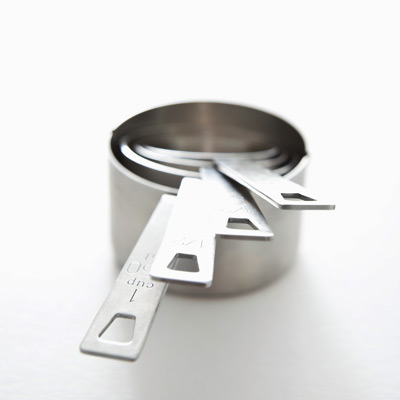
Here’s a rough guide to figuring out the amount of carbs that can be found in 10 everyday foods. Get your measuring cup and scale ready!
measuring-cups

Dec 23, 2010

Barbell Shoulder Press Guide

Main Muscle: Shoulders

  1. Sit on a bench with back support in a squat rack. Position a barbell at a height that is just above your head. Grab the barbell with a pronated grip (palms facing forward).
  2. Once you pick up the barbell with the correct grip width, lift the bar up over your head by locking your arms. Hold at about shoulder level and slightly in front of your head. This is your starting position.
  3. Lower the bar down to the shoulders slowly as you inhale.
  4. Lift the bar back up to the starting position as you exhale.
  5. Repeat for the recommended amount of repetitions.
Variations:
  • This exercise can also be performed standing.


 See clip:


(Source: bodybuilding.com)

Dec 22, 2010

America's Healthiest Superfoods for Women

You love to eat, but you also love to feel great. You can do both if you choose foods that make you smarter, leaner, stronger—and then use them in tasty new ways.

We’ve made that easy to do with Health’s top 10 superfoods for women. They were selected by our panel of experts for their mega benefits—from bone building and energy boosting to fat busting and disease fighting.

What’s even more delicious: When you mix and match these America’s Healthiest choices, you get super combos with even more power—a breakfast that’s good for your heart, a dinner that fights cancer, a sweet treat that helps keep your tummy calm and mind sharp. Plus, we’ve rounded up 15 delicious, benefit-packed runners-up, too. So read on (and start eating) for a super you. 

 1. Wild Alaskan salmon

 2. Wild blueberries

 3.Oats

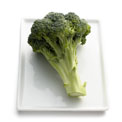
 4.Broccoli


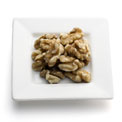
5.Walnuts

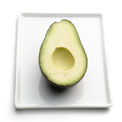
6.Avocados


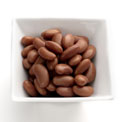
7.Red Beans

 8.Greek yogurt

 9.Olive oil


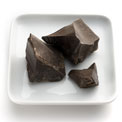
10.Dark chocolate


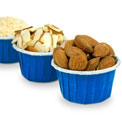
 11.Add these for even more power(Almonds, Beef, Eggs)


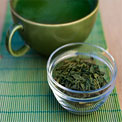
12. Green tea


13.Raisins

 14.Sweet potatoes


15.Organic milk (fat-free or low-fat)


 (Source: health.com)

Dec 20, 2010

Hanging Leg Raise

Main Muscle: Abdominals

  1. Hang from a chin-up bar with both arms extended at arms length in top of you using either a wide grip or a medium grip. The legs should be straight down with the pelvis rolled slightly backwards. This will be your starting position.
  2. Raise your legs until the torso makes a 90-degree angle with the legs. Exhale as you perform this movement and hold the contraction for a second or so.
  3. Go back slowly to the starting position as you breathe in.
  4. Repeat for the recommended amount of repetitions.
Caution: Perform this exercise slowly and deliberately as it takes some getting used to. Also, do not be hasty and try to use weights on the first time; you'll have enough in your hands by holding your weight and also learning how to balance yourself so that you avoid swinging your torso. As you get more advanced you can hold a dumbbell in between your feet. However, you have to be very careful when adding weight to this exercise as if you add too much too quickly you could get a hernia.
Variations: This exercise can also be performed using a vertical bench that makes the exercise easier by supporting your upper back in place and by allowing you to hold yourself by placing your elbows and arms on the side pads.

See clip:


(Source: bodybuilding.com)

Reverse Grip Triceps Pushdown

Main Muscle: Triceps

  1. Start by setting a bar attachment (straight or e-z) on a high pulley machine.
  2. Facing the bar attachment, grab it with the palms facing up (supinated grip) at shoulder width. Lower the bar by using your lats until your arms are fully extended by your sides. Tip: Elbows should be in by your sides and your feet should be shoulder width apart from each other. This is the starting position.
  3. Slowly elevate the bar attachment up as you inhale so it is aligned with your chest. Only the forearms should move and the elbows/upper arms should be stationary by your side at all times.
  4. Then begin to lower the cable bar back down to the original staring position while exhaling and contracting the triceps hard.
  5. Repeat for the recommended amount of repetitions.
Variation: This exercise can also be performed with a single handle using one arm at a time. This will allow you to better isolate the triceps. With this version you can self spot yourself by placing your hand over your forearm and applying some pressure to help you perform more reps than before.

See clip:


(Source: Bodybuilding.com)

Dec 17, 2010

How to Get Your Way With Body Language

Express yourself


Did you know that the way you stand can make you more persuasive—or more attractive to your date? And the way you hold your arms can be a tip off that you’re tense? Send out the best possible message to your guy, your friends, and your coworkers with this quick primer.


Be a copycat

Mirroring someone else’s body language is a great way to show that the two of you are in sync. In fact, when you talk to a close friend, you may find yourself matching her posture—she leans forward, you lean forward; she takes a sip of her latte, you take a sip.

“You’re saying, ‘I feel comfortable and at ease,’” says Patti Wood, MA, a body language expert in Atlanta. “And when someone mirrors you, it calms you.” This move can also show empathy. When listening to your child, a friend, or even a client describe a problem, matching their posture and tone of voice shows them that you truly understand what they’re going through.


Take up space

Do you keep your arms close to your sides or folded in front of you? This makes your body more compact, which sends out the signal that you’re not only closed but subordinate. “When you take up less space, you appear and feel less powerful, and people may treat you that way,” Wood notes.

If you want to command respect, whether it’s from a co-worker or a family member, take up a little more space. Remember to stand up straight and relaxed, with your feet 6 to 7 inches apart.


Hold your head up

There’s a good reason why “jump for joy” is a cliché. When you feel happy and confident, your body automatically lifts up, Wood says. You may raise your head, shoulders, and/or chest, and momentarily push up on the balls of your feet. Feeling down? Hold up your head, bring your shoulders back, sit up, and smile. “It can change your mood in less than a fraction of a second,” Wood says. Believe it or not, our body movements actually change our feelings.


Watch your arms

Though anything from stress to an overly air-conditioned room may prompt you to cross your arms, people assume you’re trying to keep something inside or someone out when you get in this stance. You might unconsciously do it at a party to keep others at bay or at work as a way of holding back your real opinion. To appear more approachable, leave arms by your sides or gesture with them.


Open up

If you’re physically attracted to a date (or your husband on date night), you might reach out with open palms or push your hair behind your ear with your palm facing out. “That’s a signal to his brain that you’re open to seduction,” Wood says. Similarly, turning the upper part of your chest—what Wood calls “the heart window”—toward a person and pointing your toes toward him show a desire to connect, whether it’s a romantic interest or a potential new friend.


 (Source: Health.com)

Get Creative on Date Night

Do your dates typically consist of dinner and maybe a movie? Shake up date night by trying a comedy show, visiting an ice-skating rink, or going on a mini road-trip — whatever you haven’t done before. Dance classes also let you get close to your date, and you'll burn some calories while you're at it.

Not sure what to order on a dinner date? Try these tips from Health.com expert Bethenny Frankel: Snack before so you’re not as hungry, avoid sugary drinks, and choose a restaurant with healthy options, like your local Mediterranean joint.

If you're just starting to date but afraid to reveal a health problem, practice what to say, never reveal everything on a first date, and remember to be casual, yet confident. If you’re testing out online dating, try a dating web site for people with your same condition.

Starting to date again after a divorce can be difficult, so before you do, be sure to understand what went wrong in the past, be willing to learn from what happened, and don’t look back.


(Source: Health.com)

Dec 15, 2010

3 Full Body Workouts For Size

If you're looking to pack on some serious mass, one of the best ways to go about accomplishing this mission is by getting on a full body workout program. Many seeking muscle gain are quick to assume that three days in the gym is not enough to effectively add body mass, however that's not the case at all.
In many cases, especially when an individual is doing a higher amount of volume, the full body workout will be superior to the upper/lower split, or even worse yet, the body part split. 


The primary reason for this is that these set-ups decrease the total time available to recover and if you have a slower recovery system, this will directly impact your total muscle growth.
There are a number of ways you can go about setting up a full body workout that's aimed at gaining size, so have a look at the three different options below in order to choose the one that's best aimed at your own situation. 

1. Alternating Upper And Lower Body Workouts

    The first type of full body workout is where you will place more focus on any given workout on either the upper or the lower body. So for example, if it's an upper body focus day, you will do a few sets for legs, but other than that it's directly arm work. Then on the second training session of the week, you might reverse this so the legs get a bit more attention. You continue alternating in this pattern as time progresses, with some weeks having two leg-day focus workouts and others two upper-day focus workouts. The benefit to this type of set-up is that you will be able to add in a couple additional exercises that are specifically targeted towards the upper or lower body. On a classic fully body workout, this is slightly harder to do since you're trying to aim to work each muscle equally. Generally the muscle groups that aren't being focused on can receive 2-3 sets total of a compound movement and be fine for maintenance purposes. Here is a sample of what this would look like using an upper body focus.
    • Squats: 2 sets of 5-8 reps
    • Bench Press: 3 sets of 5-8 reps
    • Bent Over Row: 3 sets of 5-8 reps
    • Shoulder Press: 3 sets of 8-10 reps
    • Biceps Curls: 2 sets of 10-12 reps
    • Weighted Dips: 2 sets of 10-12 reps
    • Lateral Raises: 2 sets of 10-12 reps

    Then you could use this workout to focus on your lower body on alternate days.
    • Incline Press: 2 sets of 8-10 reps
    • Lateral Pulldowns: 2 sets of 8-10 reps
    • Squats: 4 sets of 5 reps
    • Deadlifts: 4 sets of 5 reps
    • Lunges: 2-3 sets of 8 reps
    • Calf Raises: 2-3 sets of 10-12 reps
    • Crunches: 2 sets of 10-15 reps

    You may want to add your own individual exercise selection to this, but you can get a feel for the overall general trend that the workout pattern follows. As long as you are maintaining the weight on the couple sets you do for the non-focus muscle groups then you should have no problem making good strength and size gains on this approach.   
 2. The Hypertrophy Workout

    The second type of full body workout that will help you pack on the muscle mass is a hypertrophy workout. The goal in this workout is size gains more than strength, so you'll be focusing on a bit more volume and the higher rep range. You still can certainly see some strength gains during this workout as well, but it wouldn't be as much as you'd see using lower rep ranges as illustrated in the workout directly below this one. It should also be noted that this type of setup shouldn't be followed for an extended period of time as it is quite demanding on the CNS and could lead to overtraining down the road. You will still follow the typical three-day-a-week setup with this full body workout program, being sure to take at least one day off between workouts. 
    Workout 1
    • Squats: 3 sets of 6-8 reps
    • Bench Press: 3 sets of 8-10 reps
    • Rows: 3 sets of 8-10 reps
    • Shoulder Press: 3 sets of 8-10 reps
    • Leg Extension: 2 sets of 10-12 reps
    • Hamstring Curl: 2 sets of 10-12 reps
    • Biceps Curls: 2 sets of 10-12 reps
    • Side Lateral Raises: 2 sets of 10-12 reps

    Workout 2
    • Deadlifts: 3 sets of 6-8 reps
    • Incline Press: 3 sets of 8-10 reps
    • Lat Pulldown: 3 sets of 8-10 reps
    • Lunges: 3 sets of 8-10 reps
    • Upright Rows: 2 sets of 10-12 reps
    • Skull Crushers: 2 sets of 10-12 reps
    • Calf Raises: 2 sets of 10-12 reps
    • Crunches: 2 sets of 10-12 reps


    For these workouts you should aim to keep the rest periods on the slightly shorter side, coming in at thirty to sixty seconds each. 
 

3. The Up-Your-Strength Workout

Finally, the last type of workout you may wish to consider following is a purely strength focused workout. These will utilize a much lower rep range allowing you to lift the heaviest weight possible in aims of gaining strength, while also gaining size along the way.
Keep in mind that in order for size gains to be accomplished with this program - or any of these for that matter, the calorie surplus must be present. You can in some cases get stronger without taking in more calories than maintenance, but you won't get larger without that being present.
For this workout you will also utilize longer rest periods as these will be essential to recover from the heavy lifts that you're doing. The total number of reps and sets will also be lower, which further accommodates the heavier weight.
Here is an example of one of the workouts you could perform following these principles. Often your best bet will be to use a very similar workout over all three days of the week but then change up the exercises that make up that particular workout every 3-4 weeks.


  • Squats: 4 sets of 5 reps

  • Bench Press: 4 sets of 5 reps

  • Rows: 4 sets of 5 reps

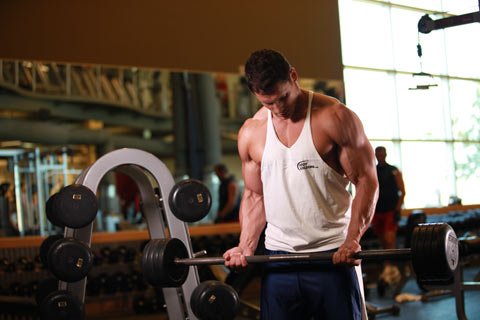
  • Barbell Curls: 3 sets of 8 reps

  • Triceps Pressdowns: 3 sets of 8 reps

  • Calf Raises: 2 sets of 10 reps

  • Crunches: 2 sets of 10 reps


  • (Source: Bodybuilding.com)


    Dec 9, 2010

    6 weight training mistakes newbie should avoid

    We have all been there at one time or another, inexperienced in fitness and joining a gym for the first time. You are nervous and unsure what you are supposed to do. Here's 6 things you definitely shouldn't do.


     1. Don't Lift Without A Trainer!

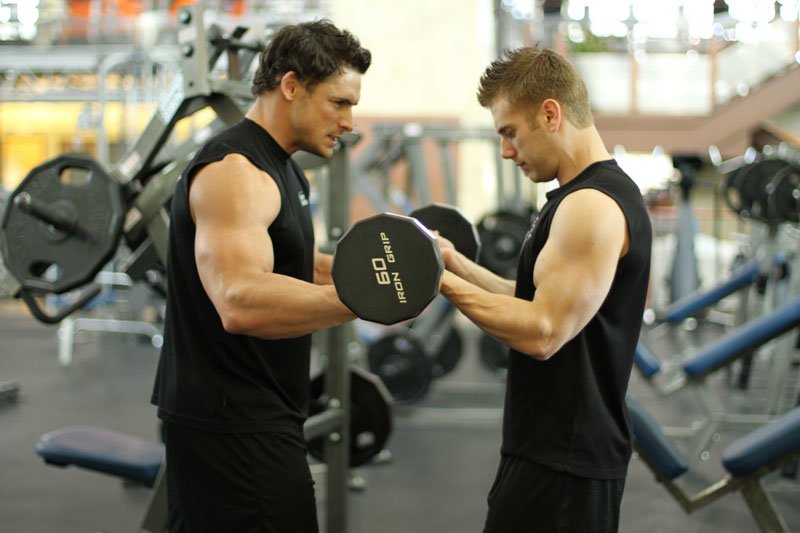
    You would think this one is obvious. I can't tell you how many times I have seen this happen and the victim gets injured and ends up quitting weight lifting forever. There is a right and wrong way to do every exercise and you won't learn the right way without someone teaching you. It is as simple as that. Regardless of how many magazines you have read or how many videos you have watched in the past, have a trainer show you what to do and then have him or her watch you to make sure you are performing the exercise correctly.
    You Will Want Someone To Teach You The Proper Way To Do Exercises.
     
    You Will Want Someone To Teach
    You The Proper Way To Do Exercises.

    2. Don't Be Afraid To Ask Questions!

    You are not to be expected to know all there is to know about the weight room in one day, one week, or ever as a matter of fact. Everyone is learning and the only way you can learn is to ask someone. You should ask your trainer, but if for some reason you can't then ask someone who is in between sets. Most folks will take a minute or two to help out a newbie because they remember being newbies themselves. If you still feel uncomfortable, then when you get home, log on to Bodybuilding.com and look it up or ask folks on BodySpace. You will get your answer for sure.  

    3. Don't Try To Impress The Big Guys!

    I know how intimidating it is to be in a weight room and the next potential World's Strongest Man is over there lifting every plate in the gym. You feel like you want to prove you belong and you try to set a world record. The only record you set is the response time of the local EMTs. You name the person and he or she had to start somewhere. So do you. It is ok to start with a light weight to make sure you have the form down and know what muscles you are supposed to feel working. Eventually you will get to where you are lifting the heavy iron, but it takes time. That actually leads into the next tip.
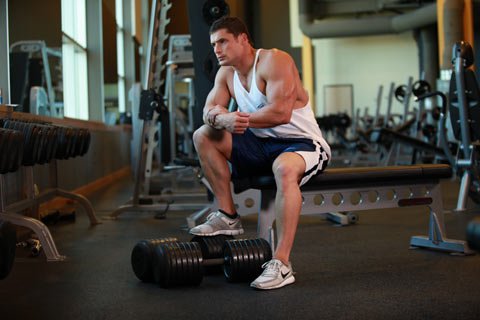
    Don't Rush To Lift The Heavy Dumbbells. You'll Just End Up Injuring Yourself.
     
    Don't Rush To Lift The Heavy Dumbbells.
    You'll Just End Up Injuring Yourself.
     
      4. Don't Waste Time On The Opposite Sex!

    Let's be serious. We all started this endeavor for many reasons. One reason is common among all of us. We want to hook up with some smoking hot girl or some ripped up dude and there is no shame in admitting it. The fact is though, although we all want to meet our future love interest in the gym, there is work to be done. You are not going to build up that body to impress people if you don't work at it. For now, avoid staring and trying to get the attention of the hottie and focus on the task at hand.
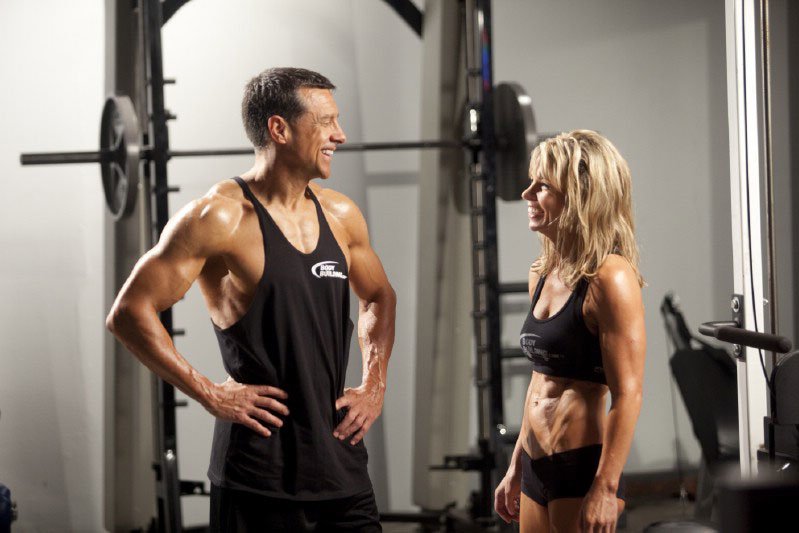
    Remember You Are At The Gym To Improve Your Physique Not Get A Date.

    Remember You Are At The Gym To
    Improve Your Physique Not Get A Date.


    5. Don't Be Impatient!

    I don't want to burst your bubble or your ego, but this isn't going to happen overnight. That is just a fact of life in bodybuilding and fitness. Have you ever heard the expression "good things come to those who wait"? Well, it kind of applies here. Although you should work at achieving your goals, being patient and knowing that it comes with time will keep you from getting frustrated and that will keep you motivated to train in order to eventually meet those goals. Deal with curling the 15's or 20's for now and with time and effort, you will get to the bigger dumbbells. Patience is definitely a virtue in this game. 

    6. Don't Be The "Intense Guy!"

    I am sure you see him and if you don't, you sure will hear him. In every gym there is the one guy who feels the need to scream his head off and yell with every rep like his life depends on him accomplishing it. The fact is most people look at him like he is a few plates short himself. You can put in hard work and give effort without being the star of a fitness horror movie. The grunting and screaming isn't necessary to make yourself appear strong, intense, or "hardcore". Save yourself a lot of humiliation and don't do this.
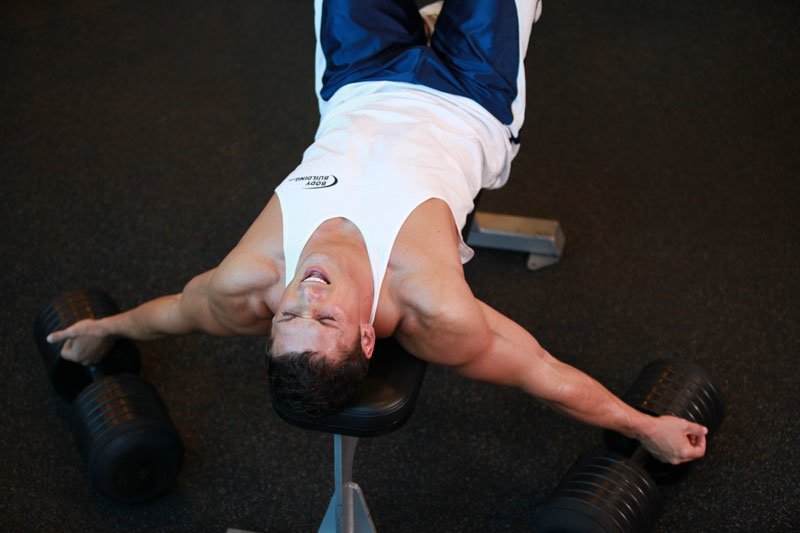
    Screaming With Each Rep Doesn't Make You Intense, But Actually Just Makes You Look Silly.

    Screaming With Each Rep Doesn't Make You
    Intense, But It Will Make You Look Silly.


      (Source: Bodybuilding.com)